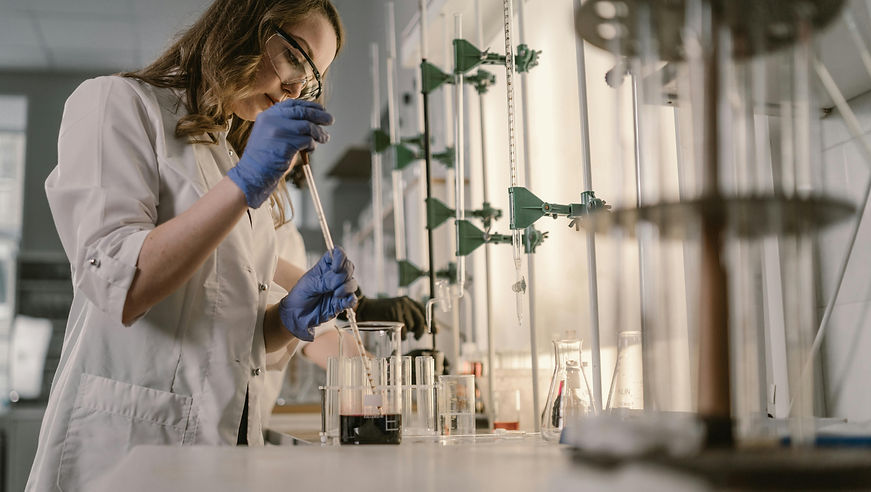
R&D Scientist
What this job does:
Develops new products, assays, or technologies through iterative experimentation. Builds prototypes, tests performance, refines methods, and documents results for decision making and tech transfer.
This job is similar to these lab/research tasks:
Prototype and iterate experiments; refine protocols based on results; evaluate feasibility of new approaches; synthesize findings into clear conclusions; propose next steps; balance innovation with deliverables and timelines.
Typical starting salary range
$104k to $170k
Salary estimate represented as 25th to 75th percentile. Gathered from recent job postings, Glassdoor.com, and Salary.com
Daily task breakdown
- Hands-on experimental design and execution (40%)
- Data analysis, interpretation, and decision-making (25%)
- Assay/method development and optimization (15%)
- Documentation and reporting (10%)
- Other: collaboration, literature synthesis, presentations (10%)
Skills you'll use in this job:
Experimental design and hands-on execution; data analysis and interpretation for decisions; method/assay development; clear documentation and reporting; collaboration across functions; literature awareness; prioritization toward milestones
Talk about these PhD skills in your resume and interview:
Frame your PhD as sustained R&D: iterating protocols, validating methods, building datasets, writing SOP like protocols, and partnering with collaborators to move a project forward.
Alternative job titles to search:
Research Scientist; Scientist I/II; R&D Research Scientist; Product Development Scientist; Development Scientist; Applied Scientist; Innovation Scientist; Research Associate Scientist; Translational Scientist; Laboratory Scientist
*Note:
-Job titles are inconsistent between companies. Try various keywords.
-PhDs tend to undershoot seniority level. Target higher than you think.


