top of page

PhD Jobs Related to:

Doing Experiments

*This list is non-exhaustive, meant to be a starting point, and will be added to regularly. Jobs may overlap with other PhD skill categories.

Analytical Chemist

Develops and applies analytical methods to characterize chemical and biological samples. Uses instruments like HPLC, mass spectrometry, and spectroscopy to quantify compounds, assess purity, support product development, and generate data for regulatory submissions.

Formulation Scientist

Develops and optimizes the physical formulation of drugs, biologics, or consumer products. Designs experiments to evaluate stability, compatibility, and performance; characterizes formulations using analytical tools; and translates bench-scale work toward manufacturing and regulatory submission.
Forensic Scientist

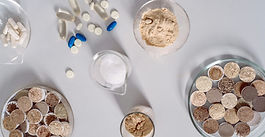
Applies scientific methods to analyze physical evidence from crime scenes - including biological samples, chemicals, latent prints, digital media, and trace materials - to support criminal investigations and legal proceedings. Documents findings with rigorous chain-of-custody standards and presents conclusions as expert testimony in court.

Senior Research Associate

Executes and documents complex experiments to support R&D programs. Maintains models and assays, trains others, and contributes to method improvements and data interpretation.

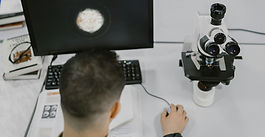
Microscopy Specialist (or other instrumentation)

Operates and troubleshoots advanced microscopy or other specialized instruments. Develops imaging workflows, trains users, supports experimental design, and assists with analysis and interpretation.

Senior Scientist (Industry)

Leads experimental workstreams in an industry R&D setting. Designs and executes studies, interprets results, improves methods, and often mentors others while driving projects toward milestones.

Assay Development Scientist

Designs, optimizes, and validates assays for research, diagnostics, or screening. Establishes performance characteristics, robustness, and reproducibility and writes methods documentation.

R&D Scientist

Develops new products, assays, or technologies through iterative experimentation. Builds prototypes, tests performance, refines methods, and documents results for decision making and tech transfer.

Field Application Scientist

Provides hands on technical support to customers using scientific instruments or reagents. Runs demos, trains users, troubleshoots workflows, and relays product feedback to internal R&D and marketing.

Process Development Scientist

Turns a lab scale method into a scalable, reliable process. Optimizes yield and robustness, runs scale up studies, troubleshoots manufacturing issues, and supports tech transfer.

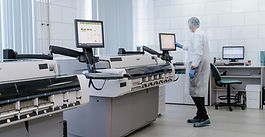
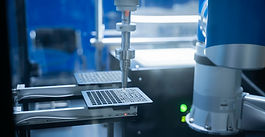
Lab Automation Engineer / Scientist

Builds automated lab workflows using robotics and software. Integrates instruments, scripts protocols, validates performance, and improves throughput and reproducibility.

Quality Control Scientist

Tests materials and products to ensure they meet specifications. Runs standardized assays, investigates out of spec results, documents deviations, and supports corrective actions in regulated environments.

Core Facility Manager

Runs a shared instrumentation core. Maintains and validates instruments, trains users, manages scheduling and budgets, develops SOPs, and ensures safe, reliable operations.

Get PhD Careers Updates

Is there a job title missing you'd like to see on this list? 

Drop me a message on LinkedIn --->

  • LinkedIn

© 2026 Jevin Lortie. All rights reserved.

bottom of page